How to Become a Health Care Aide in Alberta — Step by Step
The Health Care Aide (HCA) is the fastest route into paid clinical work in Alberta healthcare — and since February 2026, a regulated profession under the CLHA. Here is the whole path: the program, the provincial exam, the new registration requirement, and the career ladder that leads to the LPN.
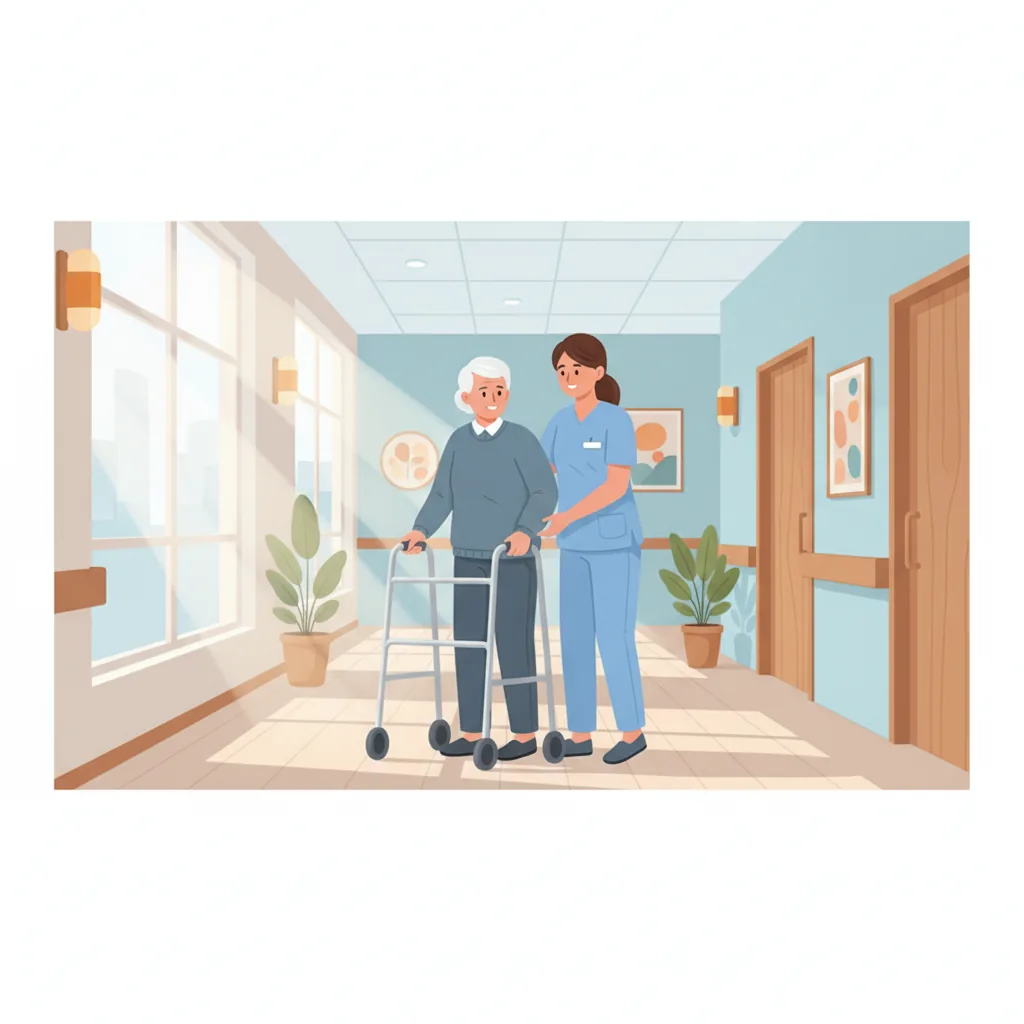
What changed in 2026 — HCAs are now a regulated profession
On February 2, 2026, Health Care Aides became regulated health professionals under Alberta's Health Professions Act. The regulator formerly known as the CLPNA became the College of LPNs and HCAs of Alberta (CLHA), one college now overseeing two professions. The practical effect: working as an HCA in Alberta now requires registration and a valid practice permit — not just a certificate. If you are researching this career in 2026, every older guide that skips registration is out of date.
The five steps
Step 1 — Meet the admission basics
Requirements vary by college, but expect: English language ability (commonly Grade 10-level English or an equivalency/English test for internationally educated applicants), a criminal record check with vulnerable-sector search, and current immunizations for practicum placement. No prior healthcare experience is required — this is an entry-to-healthcare credential.
Step 2 — Complete a licensed HCA program (about 4–8 months)
Choose a post-secondary institution licensed to deliver the 2019 Alberta Provincial HCA Curriculum — the provincial government maintains the framework on its Health Care Aide program page. Programs mix classroom, lab, and a supervised practicum in a real care setting. Full-time completion typically takes four to eight months; part-time and distance options exist across the province.

Step 3 — Pass the Provincial Alberta HCA Examination
Graduates write the provincial exam to earn the Alberta HCA certificate. Your program prepares you for it directly — the exam tests the provincial curriculum's competencies: personal care, safety, communication, and recognizing changes in a client's condition that must be reported.
Step 4 — Register with the CLHA
Since February 2, 2026, every practising HCA needs CLHA registration: an application, a practice permit, professional liability insurance, annual renewal, and participation in continuing-competence activities. The CLHA's registration pages carry the current fees and deadlines — check them rather than any third-party summary, this one included.
Step 5 — Start working, and keep the ladder in view
Alberta HCAs work in continuing care, designated supportive living, home care, and hospital units. Demand is strong and province-wide. And for many, HCA is deliberately a first rung: the clinical hours, the client-care instincts, and the workplace references all strengthen an application to a practical nursing diploma.

The HCA → LPN ladder
The most common next move is the two-year practical nursing diploma at a CLHA-approved college, followed by the CPNRE — the LPN licensing exam. LPNs carry a substantially larger scope of practice (assessment, medication administration, care planning) and correspondingly higher pay. If that is your trajectory, read the companion guides: How to Become an LPN in Alberta and the CPNRE Study Guide.
Planning the LPN step after HCA?
Lumina AI is a free CPNRE preparation platform built for Alberta: 6,000+ nurse-reviewed practice questions, full exam simulations, and a readiness score — all written to Alberta scope of practice under the CLHA.
Start free CPNRE prep →Alberta nursing career and exam updates. No spam, unsubscribe anytime. Privacy.
Frequently asked questions
How long does it take to become an HCA in Alberta?
Typically four to eight months for the licensed program (including practicum), plus the provincial exam and CLHA registration. Part-time paths take longer.
Do HCAs need to be registered in Alberta?
Yes — since February 2, 2026, working as an HCA in Alberta requires registration and a valid practice permit with the CLHA, plus professional liability insurance and annual renewal.
What is the difference between an HCA and an LPN in Alberta?
An HCA provides personal care and support under supervision after a months-long certificate program. An LPN is a nurse: a two-year diploma, the CPNRE licensing exam, and a regulated scope that includes assessment, medications, and care planning. Both are now regulated by the same college, the CLHA.
Can I work as an HCA while studying practical nursing?
Many students do — HCA shifts fit around coursework, keep clinical skills warm, and several employers support staff pursuing the LPN diploma.
Where do I find licensed HCA programs?
The Government of Alberta's Health Care Aide program page and the CLHA's education pages list institutions licensed to deliver the provincial curriculum — including public colleges and polytechnics across the province.