LPN vs HCA in Alberta 2026: Pay, Scope and the Ladder Up
Since February 2, 2026 Alberta's health care aides and licensed practical nurses have shared a regulator, and since December 2025 they have shared a collective agreement. The two roles have never been closer on paper and never further apart on the pay grid. This is LPN vs HCA in 2026: pay, regulation, scope, and the ladder from one to the other.

Pay, side by side
| Health Care Aide | Licensed Practical Nurse | |
|---|---|---|
| AHS hourly range (2026) | $26.43 – $29.58 | $33.16 – $43.42 |
| 2024–2028 total increase | 17.05% | 23.81% |
| Market adjustment (retro to Apr 1, 2024) | 4.0% | 10.0% |
| General increase | 3% × 4 years | 3% × 4 years |
| Grid change | Bottom two steps removed; incumbents moved up | No restructure |
| Registration cost support | $190 reimbursement of first permit fee + insurance | Professional fees reimbursement covering dues + insurance |
| Bargaining unit | AUPE Nursing Care, with Alberta Health Services and affiliates | |
At the top of each grid the difference is about $14 an hour, roughly $27,000 a year for a full-time worker. At the bottom it is about $6.70. The HCA grid restructure matters for the bottom step: removing the two lowest steps lifted every incumbent who was on them, which is why the 17.05% understates what a long-serving HCA at the old bottom actually saw.
Regulation: same college, two registers
On February 2, 2026 the College of Licensed Practical Nurses of Alberta became the College of LPNs and HCAs of Alberta and took on the regulation of health care aides. The college is explicit that "LPNs and HCAs are distinct professions": one regulator, two registers, two sets of standards. The practical consequences for an HCA:
- Registration is now required to work as an HCA in Alberta, with a practice permit renewed annually.
- A registration exam exists: the Alberta HCA Registration Examination (AHRE), $315 including a $100 administration fee, required for new graduates of Alberta HCA programs and certain other applicant groups.
- Three attempts. HCAs on the provisional and transitional registers have one year and three attempts; after a third fail, provisional registration is cancelled and an approved HCA program must be retaken.
- A complaints process, a code of ethics and continuing competence obligations, the same accountability structure LPNs have lived under for decades.
For LPNs nothing structural changed, but the college's monthly statistics now report a dual registrants figure: 1,071 people currently hold active registration as both an LPN and an HCA. Those are, overwhelmingly, LPNs who started as HCAs and kept the registration.
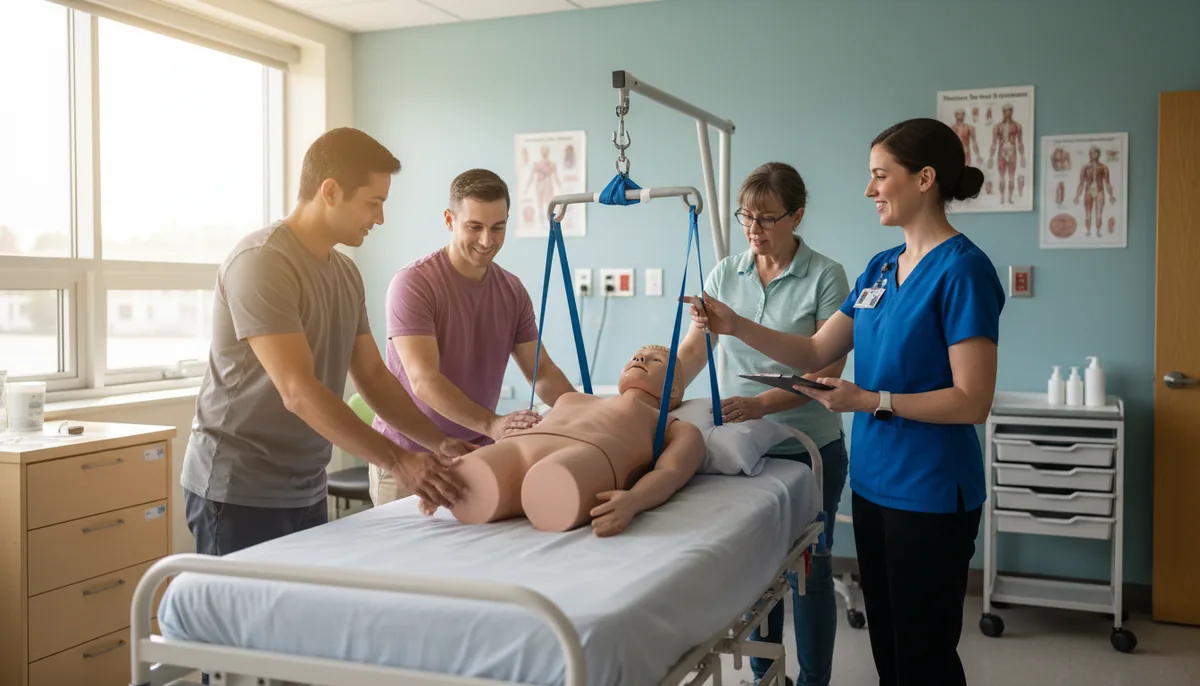
Scope: what each role may do
| Domain | HCA | LPN |
|---|---|---|
| Legal basis | Regulated under the HPA since Feb 2026; practises under the direction of a regulated health professional and employer policy | Regulated under the HPA with its own practice statement: assess, provide nursing care, teach and manage, perform authorized restricted activities |
| Restricted activities | None authorized by regulation; may perform delegated tasks per employer policy and supervision | Authorized activities in HPRAR sections 20 to 23, some requiring advanced authorization |
| Assessment | Observes, measures and reports | Assesses, plans, evaluates and documents nursing care |
| Medications | Assistance with medications as delegated and per employer policy | Administration within scope, including authorized routes and restricted activities |
| Supervision role | Does not supervise regulated staff | May supervise and assign care (active permit; not while provisional) |
| Where they work (CLHA, Aug 2026, LPNs) | LPNs: 40% hospital, 25% long-term care, 18% community health, 7% home care, 11% other | |
The one-line version: an HCA carries out care; an LPN is accountable for nursing judgement about that care. The CPNRE is, in a real sense, an exam about the difference.
The ladder from HCA to LPN
- Work as a registered HCA. With regulation in force, keep the permit current; it is now your professional record, and dual registration is possible later.
- Apply to a CLHA-approved practical nursing diploma. Twelve programs are approved in Alberta; our guide lists them with their 2025 CPNRE pass rates. Several offer advanced standing or credit for HCA coursework, and some employers fund the diploma for staff.
- Graduate, register provisionally, pass the CPNRE. The provisional permit lets you work as an LPN under supervision while you prepare; four attempts, $610 each.
- Keep the HCA registration if the fee makes sense. The 1,071 dual registrants suggest many do, for casual shifts or as insurance during the provisional period.
Who should stay an HCA
Plenty of people, honestly. The HCA role is direct care with far less administrative and legal weight, the certificate is a few months rather than two years, and the new regulation gives it professional standing it did not have a year ago. The 17.05% raise and the grid restructure recognise that. The LPN diploma is worth it for people who want the assessment and judgement part of nursing, and the accountability that comes with it. It is not a promotion so much as a different job with a higher ceiling.
Moving from HCA to LPN? Start the exam prep on day one of the diploma
Lumina maps every question to the CPNRE's five competency categories and to Alberta scope, so the judgement layer that separates the LPN from the HCA is what you practise from the first semester, not the last month. Free to start.
Start free CPNRE prep →Alberta LPN news, pay and regulation updates, and CPNRE study tips. No spam, unsubscribe anytime. Privacy.
Frequently asked questions
How much more does an LPN make than an HCA in Alberta?
AHS advertises HCAs at $26.43 to $29.58 an hour and LPNs at $33.16 to $43.42 in 2026. At the top of each grid the difference is about $14 an hour, roughly $27,000 a year at full-time hours.
Are health care aides regulated in Alberta?
Yes, since February 2, 2026, when the CLHA took on HCA regulation. HCAs must register, hold a practice permit, and new Alberta graduates must pass the Alberta HCA Registration Examination.
What is the Alberta HCA Registration Examination?
The registration exam for HCAs, costing $315 including a $100 administration fee. Candidates on the provisional or transitional register have one year and three attempts; after a third fail they must retake an approved HCA program.
Did HCAs get the same raise as LPNs?
No. Under the 2024–2028 AUPE–AHS Nursing Care agreement HCAs received a 17.05% total increase (a 4% market adjustment plus 3% a year) and a grid restructure; LPNs received 23.81% (a 10% market adjustment plus 3% a year).
Can an HCA become an LPN in Alberta?
Yes. Complete a CLHA-approved practical nursing diploma, register provisionally, and pass the CPNRE. Some programs give credit for HCA coursework, and 1,071 people currently hold both registrations.
Can an LPN do things an HCA cannot?
Yes. LPNs are authorized to perform restricted activities under HPRAR sections 20 to 23, assess and plan nursing care, and supervise and assign care once on an active permit. HCAs carry out delegated care under a regulated professional's direction.
Sources
- Alberta Health Services, Health Care Aide and Licensed Practical Nurse careers pages: 2026 hourly ranges.
- AUPE, AHS Nursing Care bargaining update: 23.81% / 17.05%, market adjustments, HCA grid restructure, $190 reimbursement.
- CLHA, HCA Regulation Coming February 2, 2026.
- CLHA, Alberta HCA Registration Examination: $315, three attempts.
- CLHA, Alberta LPN Statistics, August 2026: 1,071 dual registrants, LPN employment settings.
Figures are as published by the sources above on the date of writing; check the current CLHA fee schedule and policies before acting. Lumina AI is not affiliated with the CLHA, AUPE or AHS.
Related: How to become a Health Care Aide in Alberta · How to become an LPN in Alberta, with all 12 approved programs · Alberta LPN salary 2026: the 23.81% raise.